
It’s been a hectic few months on the mudlarking front, and this Easter weekend has been the first time for a while where I’ve had the space and time to sit down, draw breath and reflect. (And write this blog, of course.)
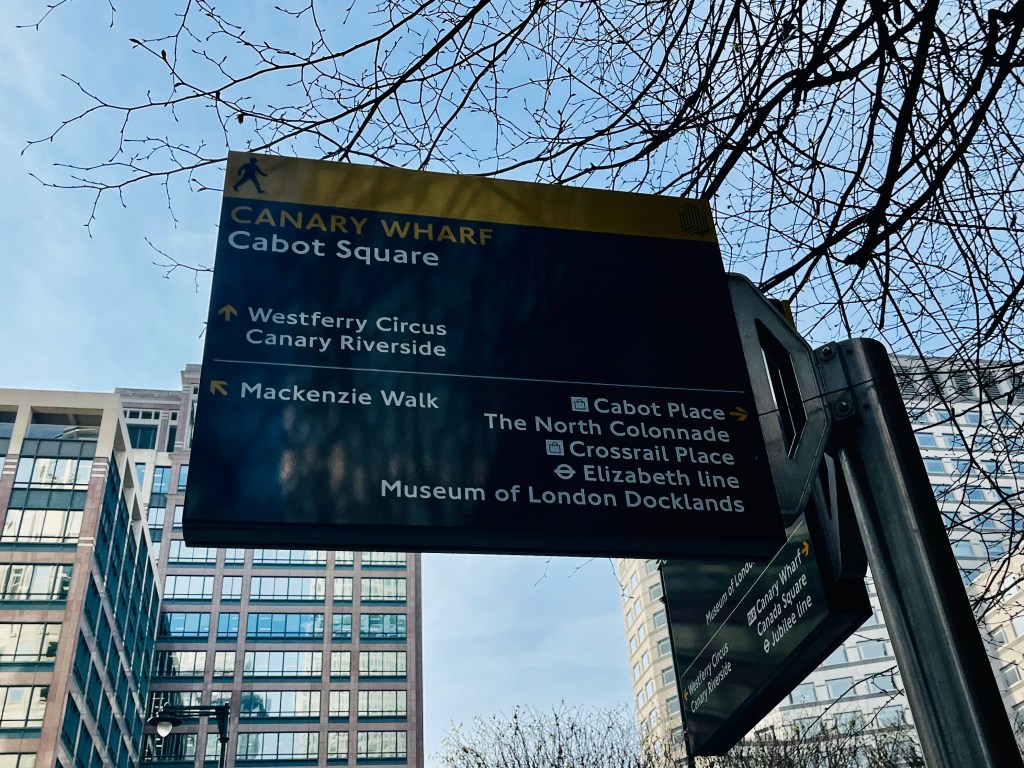
At the beginning of April I was kindly invited to a preview of a new mudlarking exhibition at The London Museum, Docklands. Along with other fellow mudlarks, friends, family and a smattering of celebrities from the worlds of history and archaeology, I was given the opportunity to mingle over wine and nibbles and enjoy my first glimpse of this long awaited event. Canary Wharf was literally buzzing that evening. So, I dressed in my best sparkly sequins and prepared for an evening of mudlarking rock’n’roll.

‘Secrets of the Thames – Mudlarking London’s Lost Treasures’ is a unique, year long exhibition dedicated to the hidden world of mudlarks, exploring the stories behind a range of fascinating objects and finds. The preview night was brilliant and busy but I spent so much time chatting to everyone that I didn’t get to see everything properly. This necessitated a second visit the following week, this time accompanied by my daughter and baby grandson, who slept peacefully all the way through oblivious to his mudlarking granny’s modest contribution to the exhibition, but no matter. I hope I’ll be able to take him mudlarking with me one day when he’s older.
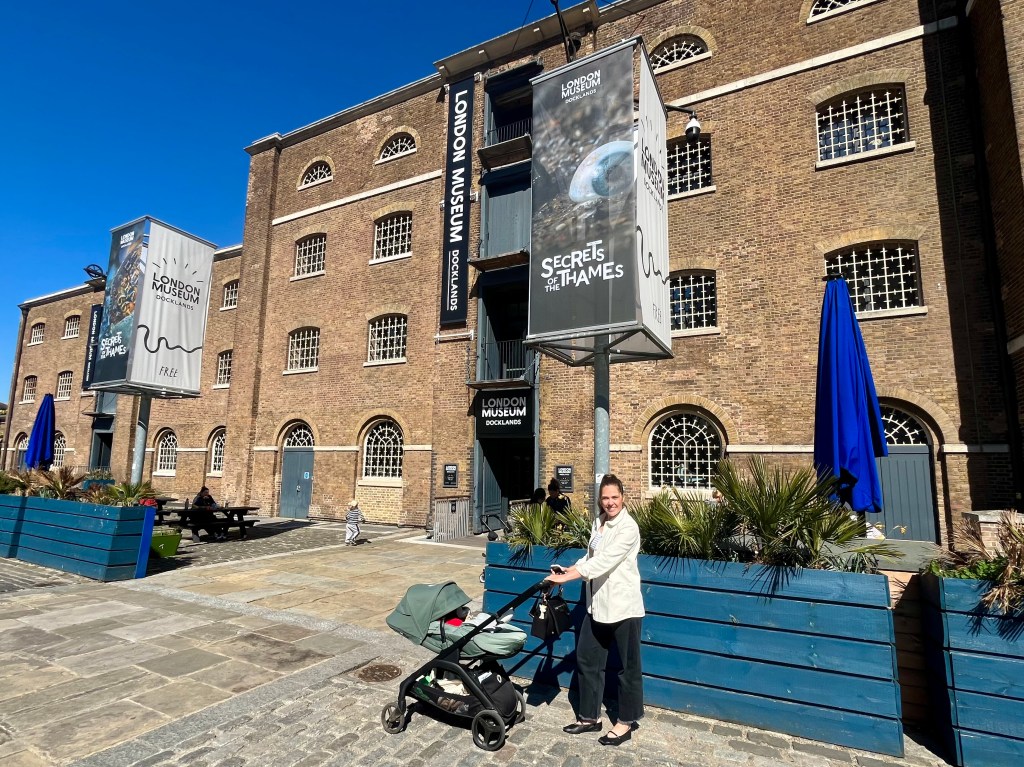
Twice a day, every day, the tide recedes. As this liquid carpet rolls back it reveals artefacts from London’s past; broken pottery, roof tiles, clay tobacco pipes, gaming pieces, a child’s shoe or maybe a tantalising glimpse of a colourful glass bead as it emerges slowly from the mud. The River Thames has served as a vibrant and bustling trade hub for millennia. A final resting place for lost souls, love affairs, the site of battles, criminal activity and executions, a repository for a range of tiny hidden treasures that mudlarks search for at low tide, just as they have done since the poor of Victorian London – the original mudlarks – tried to eke out a living by looking for items they could sell, such as coal, wood or copper.
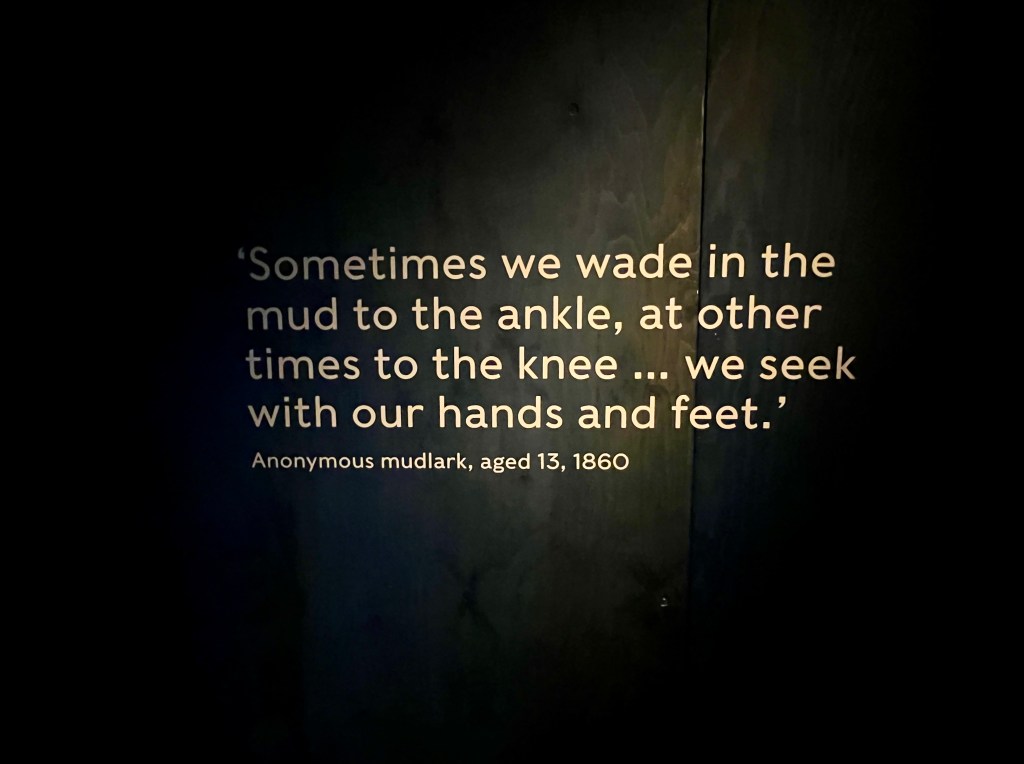
Today’s mudlarks are more fortunate and can focus on uncovering the past. We don’t mudlark for profit, indeed we are not allowed to sell the things we find. Licensed mudlarks are hobbyists, but so much more than that. We are passionate about what we do and view mudlarking as a privilege. We don’t take our permits for granted. Mudlarks have discovered thousands of artefacts that tell the story of London; its history, trade, industry, fluctuating and ever changing population, immigration, survival and regeneration. I am so grateful to be a small part of this; it’s the very heart of what the exhibition is about.
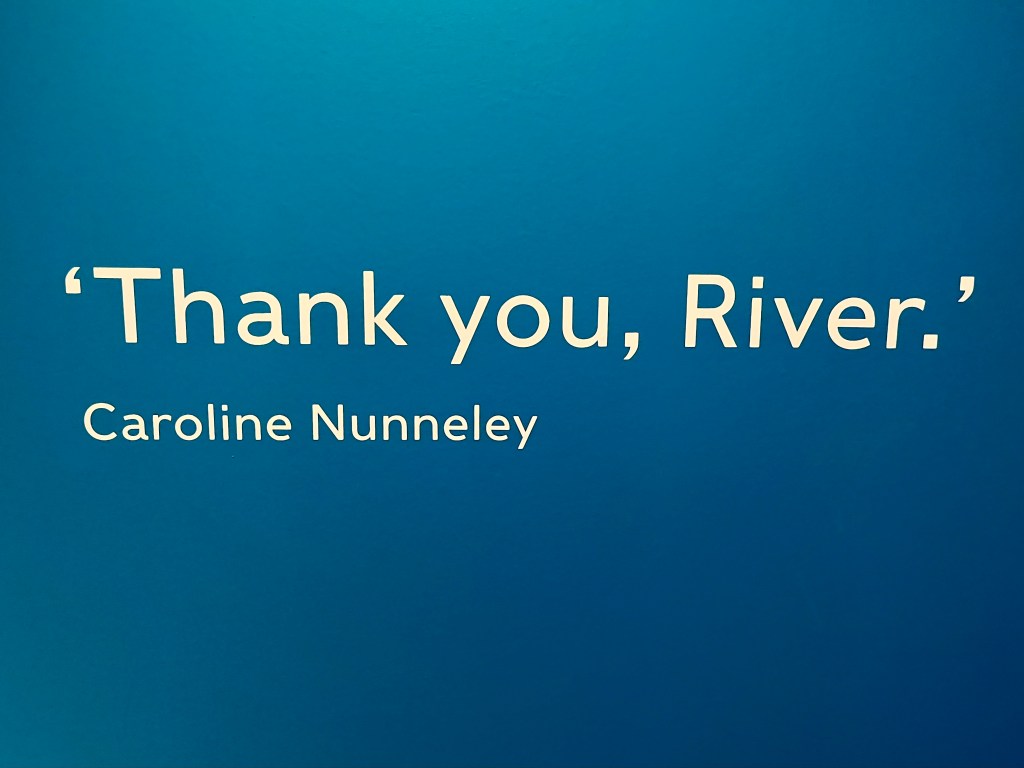
‘Secrets of the Thames’ is thoughtfully curated by Kate Sumnall and her talented team. On entering, you are welcomed by contemporary accounts of mudlarking, paintings and pamphlets providing context for the exhibition. Visitors are then encouraged to explore and engage with the displays, subdivided by period and theme. The exhibition doesn’t shrink from addressing difficult subjects, and one powerful section covers the West African slave trade, as it should. We also hear first-hand accounts from today’s mudlarks, and quotes from them are displayed throughout the exhibition as they describe what mudlarking means to them personally. This short, sweet and perfect quote by fellow mudlark Caroline Nunneley (@carolinenunneleymudlark on Insta) says it all.
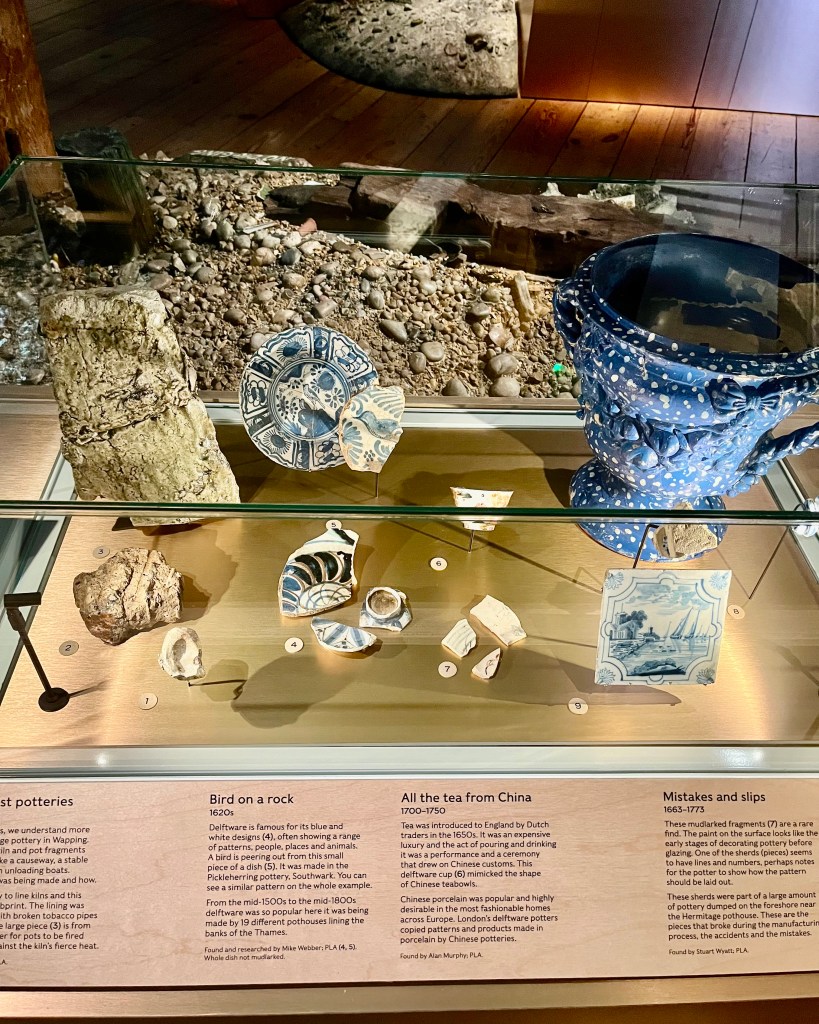
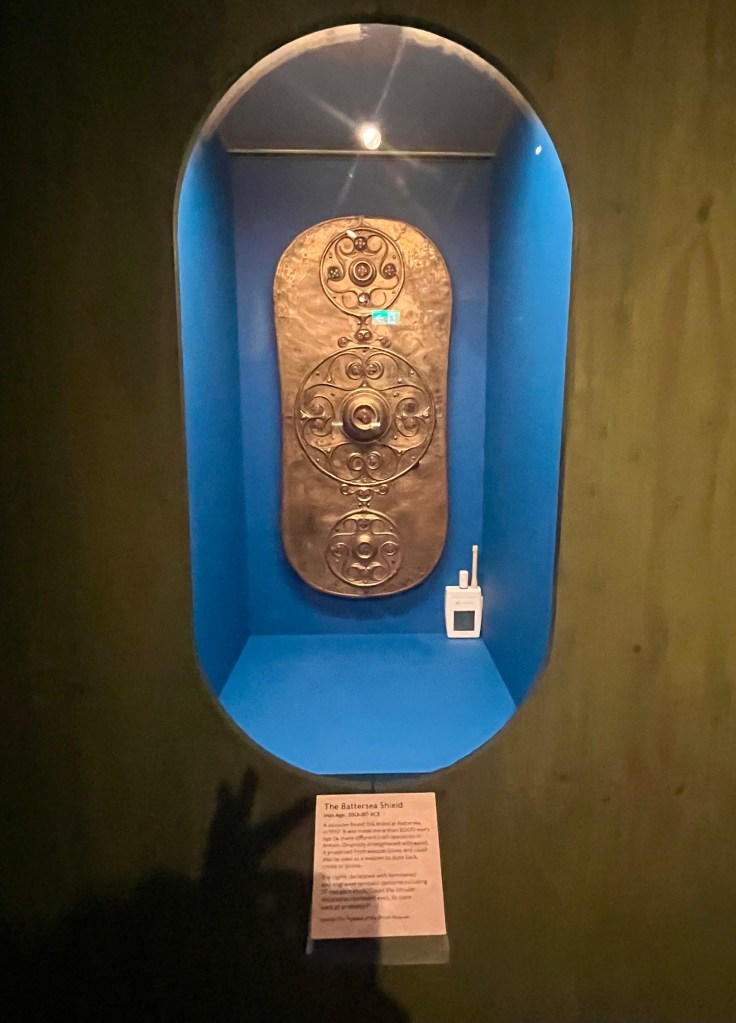
I’ve posted just a small selection of some of the artefacts on display. There were so many fascinating things to see that I’d prefer you go to check them out for yourselves. But if I had to single out some favourites (please don’t judge me) I would have to plump for the 18th century eel fork (photo below), Roman intaglios spotted by mudlarks over the years ( definitely a ‘wish list’ find for me, perhaps one day….), stunning pottery reproductions, sketches and prints by mudlarks Mark Sowden, Charlie Dixon and Ed Bucknall (@marksowden3 @charlie.collects and @edjbucknall on Insta) and mudlarking-influenced sculptures – ‘Finders Keepers’ – by Billie Bond (@billiebondsculptor) The work of some exceptionally talented people is on display here showcasing the mudlarking finds. The perfect juxtaposition of old with new. The mudlarking community is very talented and creative.
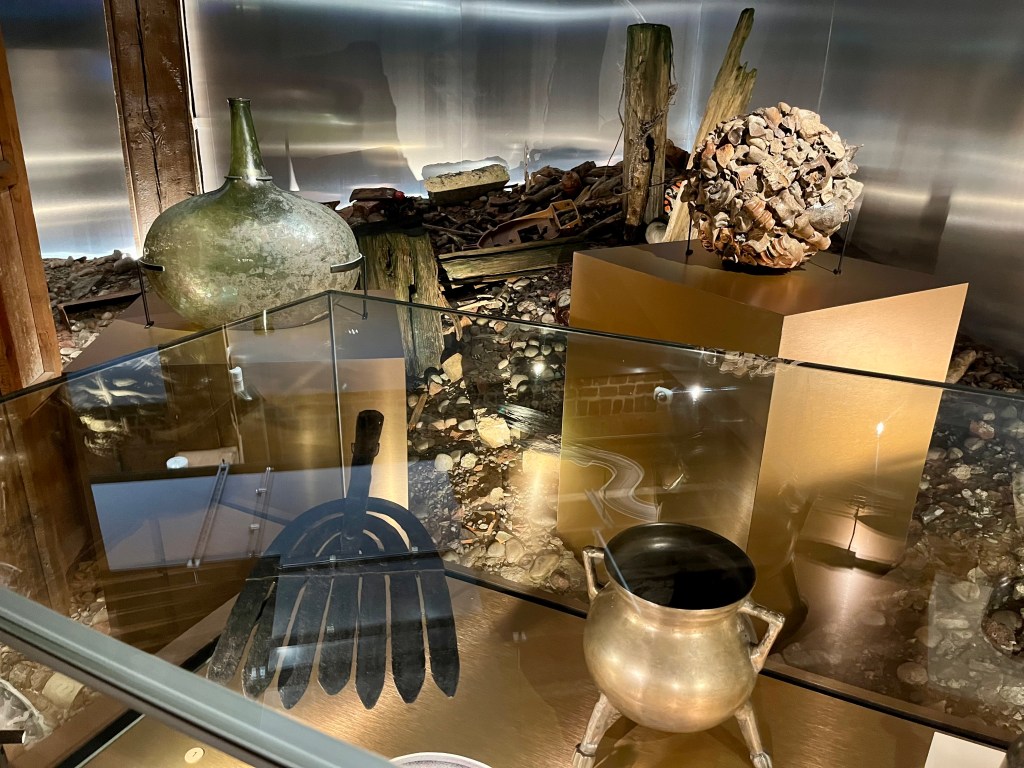
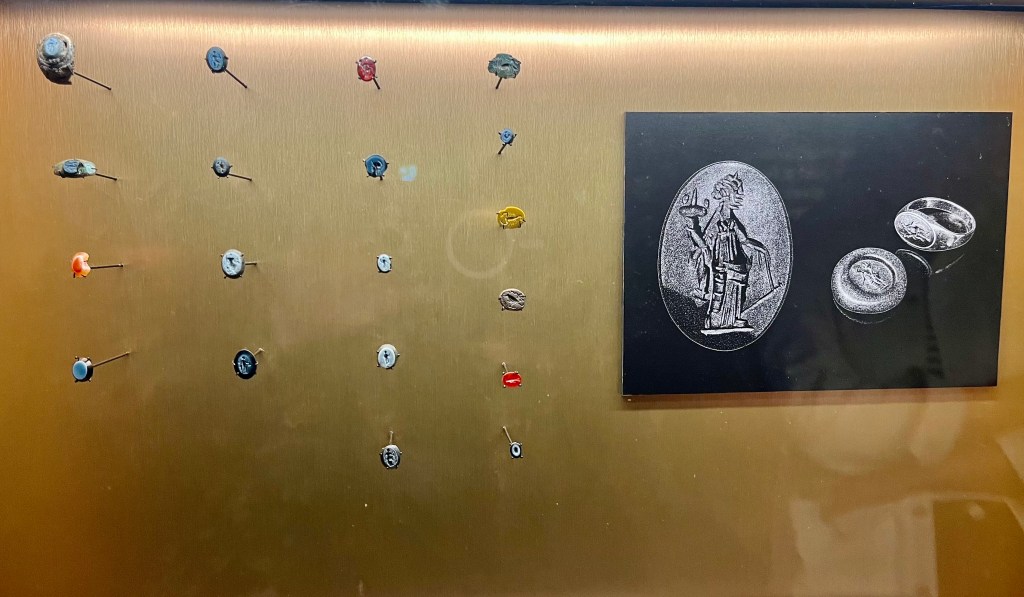


A personal highlight of the exhibition for me comes as the exhibits draw to a conclusion. Utterly inspired, it’s a HUGE glowing Moon, the work of Luke Jerram and Felix Taylor. I couldn’t believe that the Moon has it’s own room. How lovely is that?
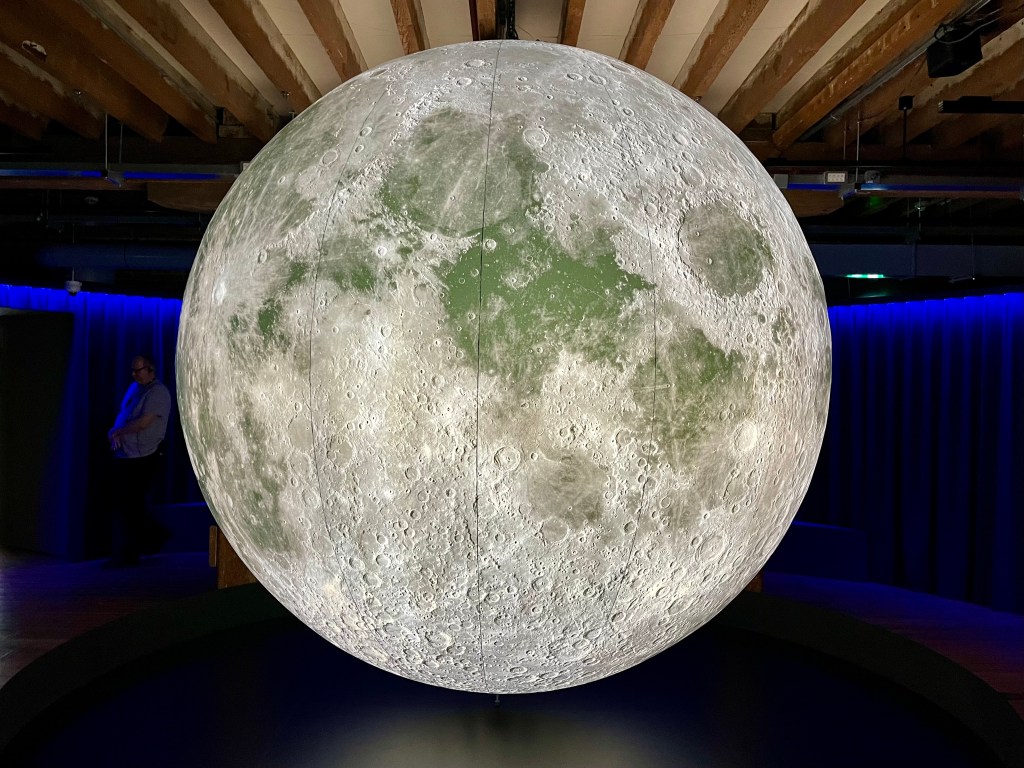

I took so many photos of this shiny silvery orb. Completely entranced. For without the Moon mudlarks are nothing. We cannot do what we do without it, because the Moon’s gravitational pull is the primary driver of earth’s tides.
On Earth, our precious oceans bulge out on both the side closest to the Moon and on the side further away from the Moon. These bulges create high tides. The low points are where low tides occur. Thank you, NASA, for the scientific explanation.
And at the New Moon or Full Moon, the tidal range is at its maximum. This is called a ‘spring tide’, when high tides are very high and low tides are very low. The phrase is nothing to do with the actual season of Spring. Rather, it means’ spring’ as in ‘spring forth’, ‘jump’, ‘rise’, ‘burst’ etc. Basically our oceans are bulging more than normal and it’s mind-blowing to contemplate.
So do say a special hello to the Moon Room when you visit.
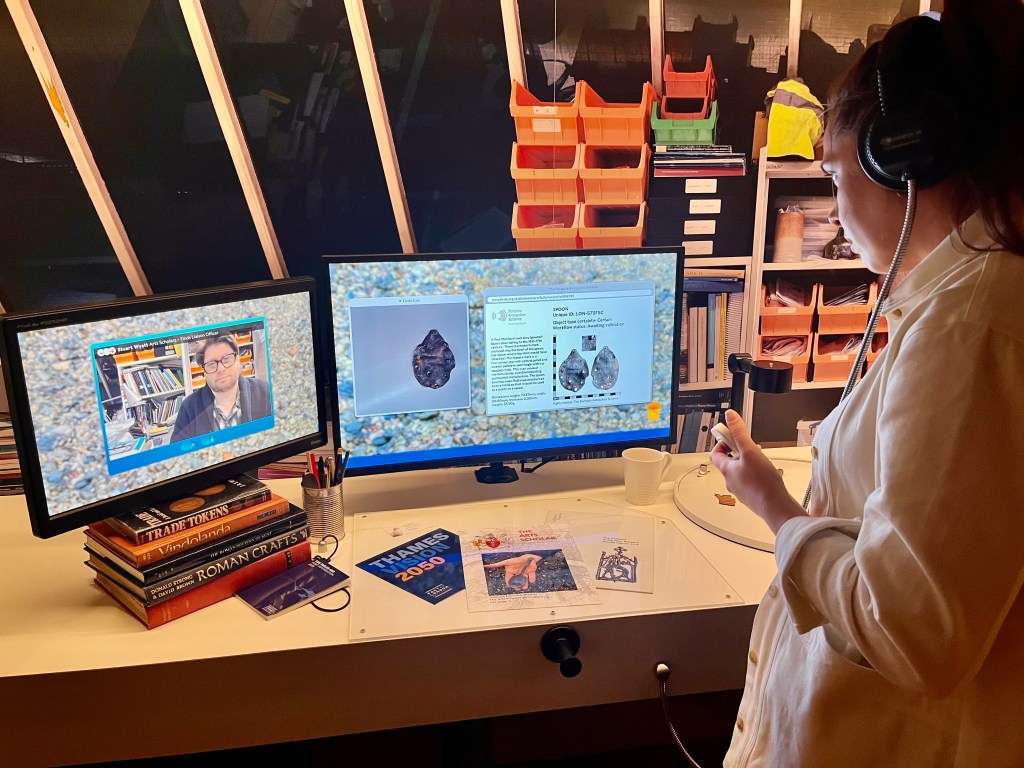
But my photos aren’t doing this exhibition justice. You should go and see it for yourselves. Above all, it is rich in human experience. When I was a fresh-faced undergraduate studying for my history degree at university, the curriculum was predominantly about Kings, Queens, Politics, Treaties and Wars. Mudlarking is so much more than this. It’s about the lives of ordinary people whose names we might never know but who lived, loved, feared and hoped, just like we do now. This is what the artefacts we find bring to London’s story throughout millennia. A unique archaeological resource and rich legacy of the city and its peoples brought to life through items lost to the river over time.
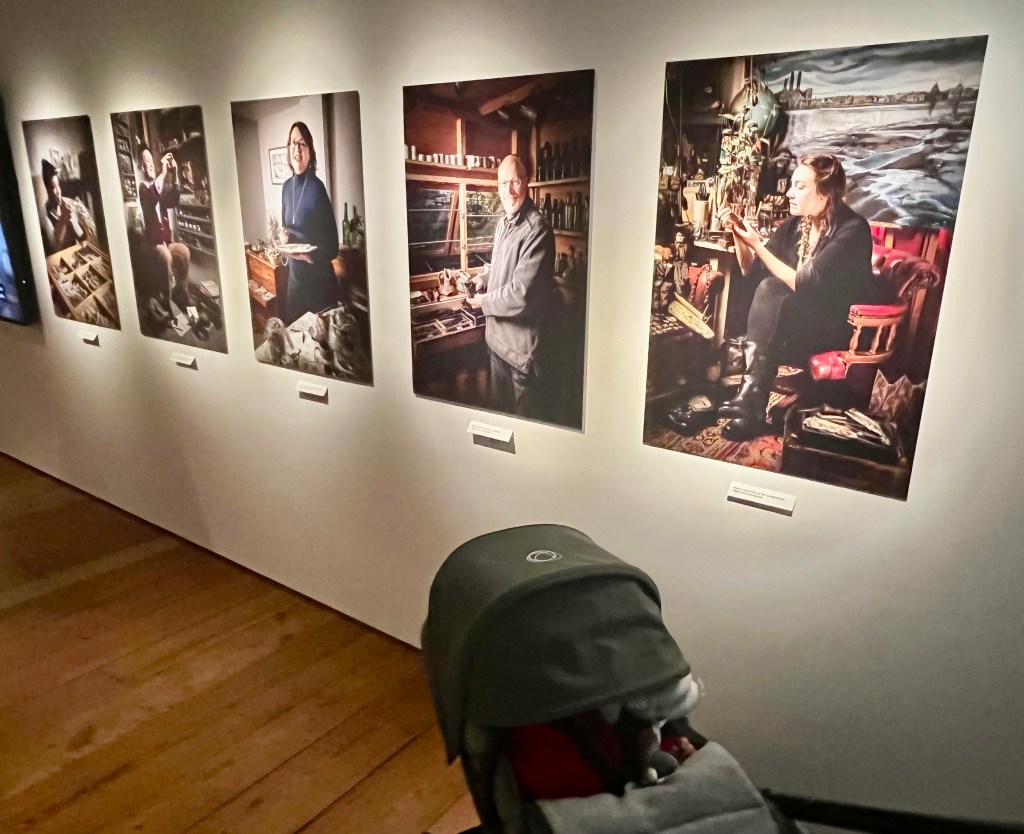
Last but not least, I must give a big shout-out to amazing photographer John Chase, who spent the preview evening ‘on duty’, recording the event with his camera, and for all the wonderful photos and images he’s taken for the London Museum exhibition.

Secrets of the Thames is on at the London Museum, Docklands, until 1st March 2026, so there is plenty of time to book to see it. For more information and tickets click on the link below:
https://www.londonmuseum.org.uk/whats-on/secrets-thames/
Do come!
NB It is a legal requirement to have a valid permit from the Port of London Authority in order to search for, and remove, items from the Thames Foreshore. Further details here:
 A Mudlark's Diary